.png)
How to earn more as an architect starts with a fundamental shift: stop being just a service provider and start becoming a strategic partner who controls more of the project value chain.
The answer lies in five key strategies—reclaiming the master builder role, productising your expertise for passive income, specialising in high-value niches, leveraging AI and technology, and transitioning to consultant roles.
These approaches can help you achieve 20-30% profit margins and build a practice that supports your dream life.
Most architecture practices are stuck in an exhausting cycle. You're working long hours, juggling demanding clients, and watching contractors pocket the lion's share of project budgets whilst you're left with modest fees that barely cover overheads.
The traditional architectural service model is broken. Trading time for money and competing on fees isn't sustainable. But 2026 presents a unique opportunity to reshape how you do business.
The architects who thrive this year won't be those who simply design buildings—they'll be master builders and business innovators embracing technology, creating diversified income streams, and positioning themselves as indispensable experts.
This article breaks down five practical strategies to transform your practice into a profitable, sustainable enterprise that gives you the freedom and creative satisfaction you deserve.

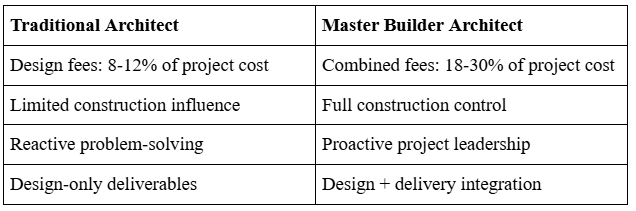
Historically, architects were master builders who controlled the entire construction process. Today, that profit sits with contractors whilst you're left with design fees alone.
The separation of design and construction wasn't always the norm. Here's what changed:
Professional liability concerns
Architects stepped back from construction to limit risk exposure, inadvertently surrendering control and significant revenue opportunities in the process.
Specialisation pressures
The industry pushed architects into purely consultative roles, positioning design as separate from delivery and fragmenting what was once an integrated service.
Contractor profit capture
Contractors now control 15-25% margins on projects, money that could partially flow to architects who understand both design intent and construction realities.
You do not need to begin with a large commercial scheme. Start small and be strategic.
Garden annexes, loft conversions, and small extensions offer manageable complexity. They let you step into construction leadership whilst keeping risk controlled. These project types are ideal for understanding cost management, building regulations, and on site coordination without overwhelming exposure.
Rather than handing delivery to a separate firm, take on the role of main contractor where appropriate. Appoint subcontractors directly. Manage the programme. Oversee quality and compliance. This practical involvement strengthens your commercial understanding and reveals where margin is created or lost.
Track build costs, programme timelines, variations, and lessons learnt. Keep clear records of subcontractor performance and procurement decisions. Over time, this data becomes a powerful asset. It allows you to refine pricing, improve efficiency, and structure future integrated services with confidence.
The financial upside can be significant. By controlling both design and delivery on smaller residential projects, you increase your influence over outcomes and can substantially improve your overall fee position whilst delivering stronger results for clients.
Learning how to earn more as an architect means escaping the time-for-money trap. Every hour you spend on client work is an hour you can't replicate. But your knowledge? That's infinitely scalable.
The traditional practice model has a ceiling built into it:
You only have so many billable hours per week. Once they're sold, you can't earn more without hiring staff or sacrificing personal time completely.
When you're busy with projects, you can't market. When projects end, income stops instantly whilst you scramble to find the next client opportunity.
Trading hours for pounds becomes exhausting. The cumulative effect of constant client demands eventually leads to burnout, diminishing the quality of your work significantly.
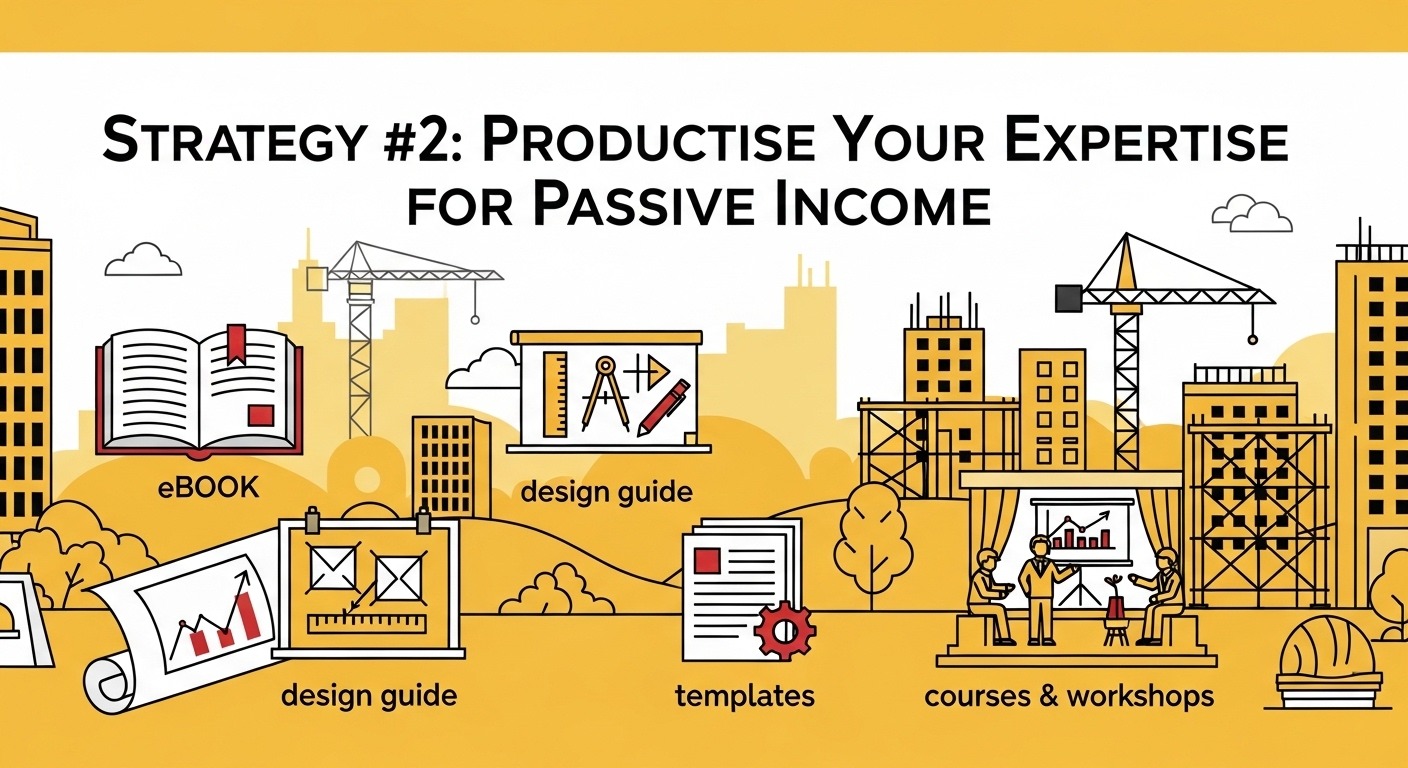
Turn your expertise into products that generate income beyond billable hours.
Create standard house types, garden annexe layouts, loft conversion packs, or extension design templates tailored to UK planning rules.
Price them between £500 and £2,000 depending on complexity. Once created, they can be sold repeatedly with minimal additional input.
Teach homeowners how planning permission works in the UK. Guide self builders through the design process.
Or train junior architects in areas like detailing, Revit workflows, or Part L compliance. Platforms such as Teachable or Kajabi make delivery simple and scalable.
Package your knowledge into downloadable guides. Topics like “How to Navigate UK Planning Permission” or “Designing Energy Efficient Homes Under UK Building Regulations” address clear pain points for defined audiences.
Develop specification templates, detail libraries, drawing packs, or Revit family bundles aligned with UK standards. Other practices will invest in tools that save time, reduce errors, and improve technical consistency.
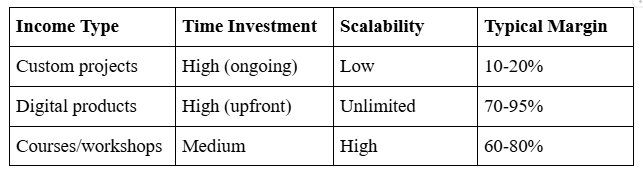
The magic happens when passive products generate £2,000-5,000 monthly. This baseline income covers overheads, allowing you to be selective with client work and focus only on projects that genuinely excite you and align with your vision.

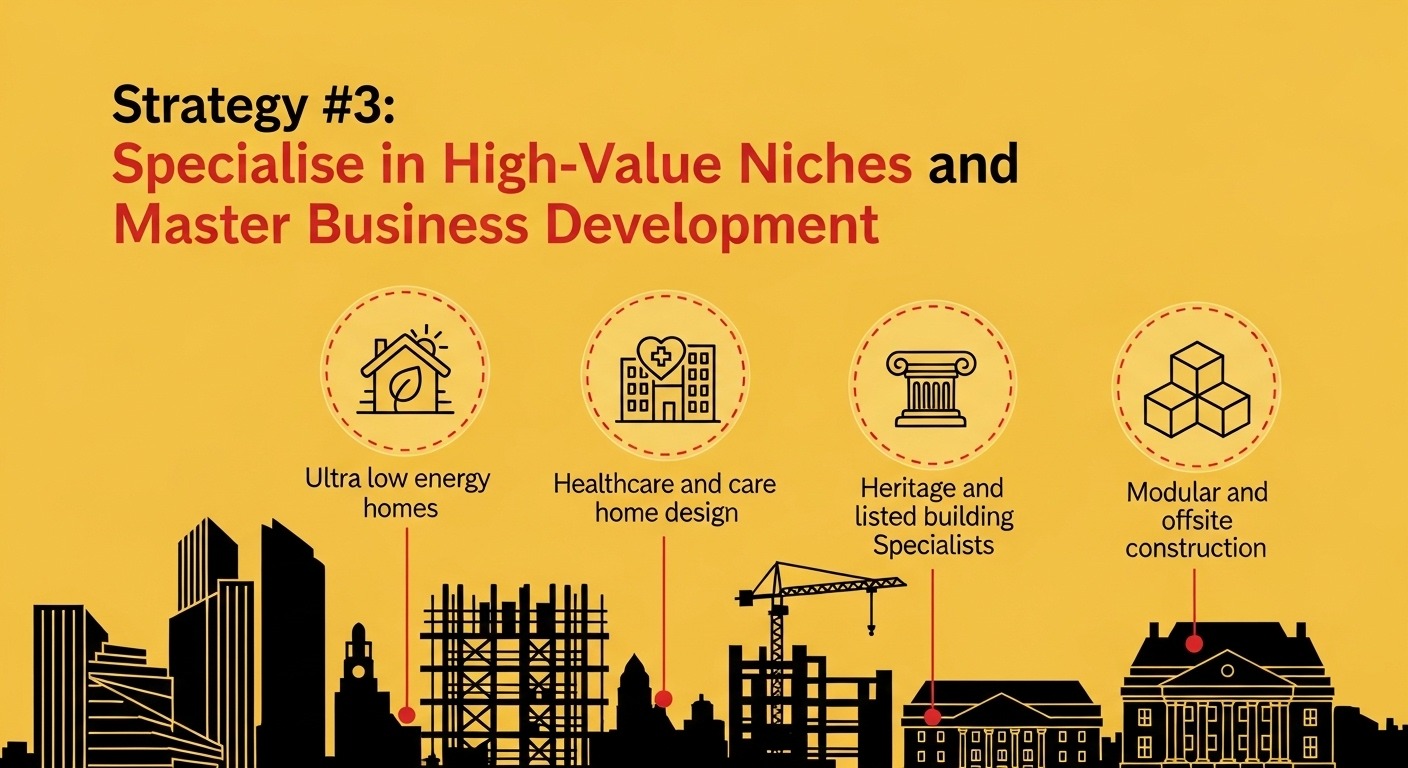
Specialists command premium fees because they solve specific, valuable problems that generalists can't.
Being a generalist in 2026 is a race to the bottom on fees:
When clients see you as interchangeable with dozens of other architects, fee becomes their primary decision criteria, eroding your margins relentlessly over time.
"We design everything for everyone" isn't compelling. Specialist messaging cuts through noise because it speaks directly to a defined audience's specific pain points clearly.
Specialists solve problems faster and better. Clients willingly pay 30-50% more for someone who's done their exact project type twenty times before successfully.
Choose specialisations with strong demand and limited competition:
With UK building regulations tightening and energy costs soaring, demand for certified sustainable design expertise continues growing exponentially amongst environmentally conscious clients.
The aging population creates sustained demand. These projects require specific regulatory knowledge and compliance expertise that creates natural barriers to entry for competitors.
Complex planning and conservation requirements mean fewer architects can credibly operate here. Premium fees reflect this specialised knowledge and regulatory navigation expertise.
Emerging sector with high margins. Early specialists will dominate as this construction method becomes mainstream over the next decade in residential development.
Specialisation only works if you can consistently find the right clients:
Identify developers, property companies, or organisations doing your project type. Cold email, LinkedIn, and targeted networking bring work without referral dependencies.
Write articles, create videos, share case studies. When prospects search for your specialism, your content positions you as the obvious expert choice instantly.
Collaborate with complementary professionals—surveyors, energy consultants, planning consultants. They become referral sources who send pre-qualified clients directly to you regularly.
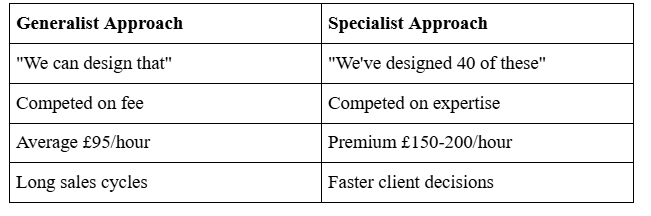
When you're known for something specific, clients seek you out. They're pre-sold on your expertise before the first conversation, which fundamentally changes pricing negotiations in your favour.
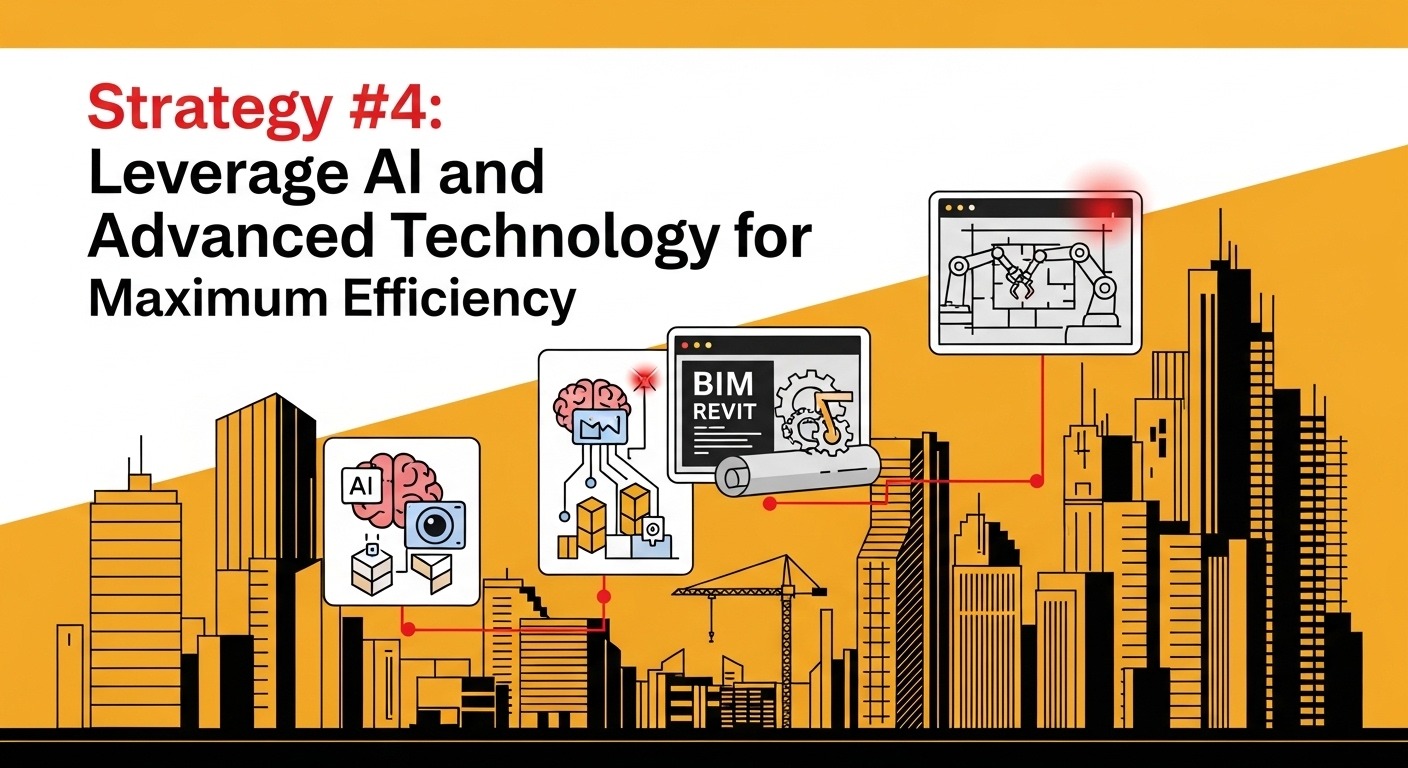
How to earn more as an architect in 2026 is inseparable from how effectively you use technology. AI and advanced tools aren't replacing architects—they're multiplying the productivity of those smart enough to embrace them.
The right tools transform how quickly you deliver high-quality work:
Platforms like Midjourney and Veras generate stunning visuals in minutes instead of hours with traditional rendering methods.
Automates coordination and clash detection, reducing errors whilst cutting documentation time by 30-40% compared to CAD.
Tools like TestFit explore thousands of layout options instantly, handling grunt work whilst you refine creatively.
Technology investment pays for itself through measurable gains:
AI handles schedules and compliance, freeing 10-15 hours weekly for higher-value work.
Handle 40-50% more projects annually without hiring additional staff, directly impacting profit margins.
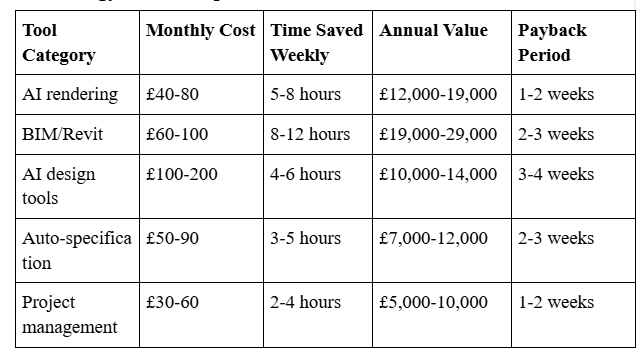
Start with visualisation AI; lowest learning curve, immediate client impact.
Master one BIM workflow completely before expanding. The architects earning more in 2026 work smarter by letting technology handle tedious tasks.
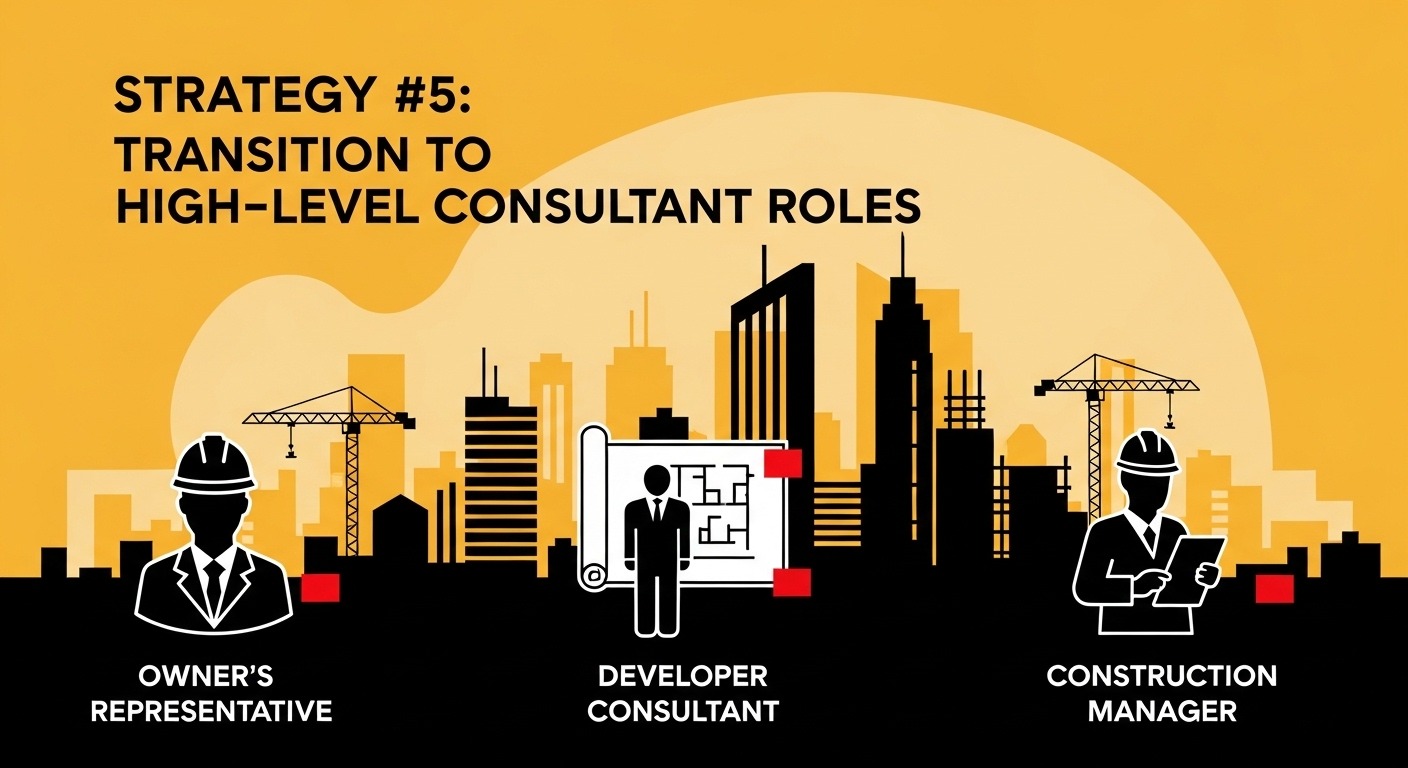
How to earn more as an architect doesn't always mean designing more buildings. The highest-paid architects in 2026 are those leveraging their technical expertise in advisory roles that command premium fees without the constraints of traditional practice.
Fee-sensitive design work limits your earning potential:
Clients compare quotes from multiple practices, driving fees down to unsustainable levels in competitive tender situations.
You carry professional indemnity risk but often lack authority over key decisions that affect project outcomes and success.
Traditional projects consume months of your time for relatively modest fees compared to the value you provide clients.
Your architectural knowledge unlocks higher-paying opportunities:
Guide clients through complex projects, manage design teams, and protect their interests. Premium fees without carrying design liability yourself.
Advise on feasibility, planning strategy, and design quality. Developers pay well for expertise that maximises scheme value significantly.
Oversee delivery without being the architect of record. Your technical knowledge ensures quality whilst earning contractor-level margins.
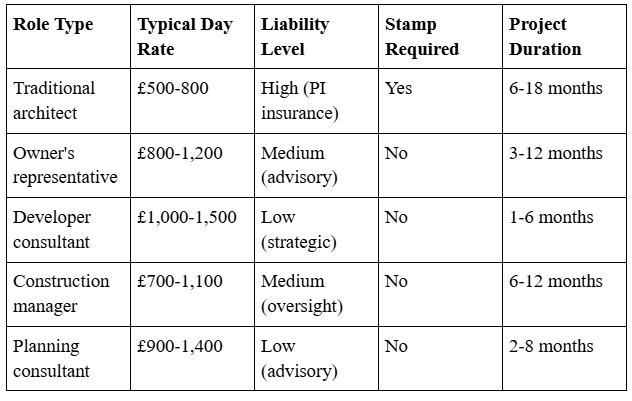
Position yourself through networking with developers, joining property investor groups, and showcasing project successes. Consulting work offers higher pay, more control, and often better work-life balance than traditional architectural services.
Learning how to earn more as an architect in 2026 requires bold action. Choose one strategy from this guide and implement it this quarter.
Whether reclaiming the master builder role, creating passive income, or transitioning to consulting—your dream practice starts with a single strategic decision today.
Ready to transform your architecture practice?
Start by auditing your current business model.
Which strategy aligns best with your skills and goals?
Pick one, create a 90-day implementation plan, and take the first step this week. Your future self (and your bank account) will thank you.